For professionals in the trade, the question isn’t just about why skirting boards exist—it’s about understanding their multifunctional role in construction integrity, long-term cost savings, and project value. Far from a mere decorative finish, skirting is a critical system component that solves practical problems and protects your workmanship. This guide breaks down the engineering logic behind skirting boards and how specifying the right type translates directly to professional reliability and client satisfaction.
Core Function 1: Structural Protection & Damage Mitigation
The primary engineering function of skirting is to act as a sacrificial wear zone. It absorbs the inevitable impacts from furniture, cleaning equipment, and foot traffic that would otherwise damage the more expensive and difficult-to-repair wall finish. By containing this damage to a simple, replaceable component, skirting boards drastically reduce long-term maintenance costs and callbacks—a key value point for both contractors and property managers.
Core Function 2: Concealing Critical Construction Gaps
A flawless finish requires managing necessary construction tolerances. Skirting boards elegantly conceal the mandatory expansion gap between the flooring and the wall, which is essential for materials like laminate, engineered wood, and vinyl to expand and contract without buckling. It also covers minor inconsistencies in the floor or wall plane, ensuring a crisp, perfect line without requiring unrealistic levels of substrate perfection.
Core Function 3: Hygiene, Sealing & Moisture Management
In commercial and residential wet areas, skirting plays a vital sealing role. A properly installed skirting board, especially from waterproof materials, creates a cleanable seal that prevents dust, debris, and moisture from penetrating the vulnerable wall-floor junction. This is crucial for maintaining hygiene in facilities like hospitals and kitchens and for preventing mold growth and structural damage over time.
Material Selection: Aligning Product with Project Demand
Your choice of material dictates performance, cost, and suitability. Here’s how to match the product to the project’s demands:
MDF & Wood: The traditional choice for dry, residential interiors where a painted finish is acceptable. Cost-effective but vulnerable to moisture and physical damage.
PVC Skirting: The practical workhorse. It is completely waterproof, flexible for curved walls, and installs quickly. It offers the best value for high-moisture areas, rental properties, and projects with tight budgets and timelines.
Aluminum Skirting (e.g., 6063-T5 Alloy): The modern, high-performance standard. It is inherently durable, corrosion-resistant, and requires zero maintenance. With powder-coated or anodized finishes, it meets the demands of commercial projects, luxury residences, and any environment requiring a sleek, long-lasting, and hygienic solution.
Stainless Steel: Specified for maximum durability and hygiene in extreme environments such as laboratories, food processing, and high-traffic luxury spaces.
For wholesalers and contractors, focusing on PVC and Aluminum systems presents a significant business advantage: these materials solve core problems (moisture, durability, modern aesthetics), carry higher value than basic commodities, and align with contemporary construction trends.
Professional Specification Checklist
Elevate your projects by advising on these key specification points:
- Profile & Height: Commercial spaces typically use taller profiles (150-200mm) for visual proportion and greater protection. Modern minimalist designs favor sleek, lower profiles (40-60mm).
- Fixation Method: Specify the correct adhesive or mechanical fixings for the substrate. Crucially, use compatible fasteners (e.g., stainless steel screws with aluminum trim) to prevent galvanic corrosion.
- System Integration: Plan the detailing for internal/external corners and transitions to door casings. Using pre-formed corner pieces ensures a consistent, professional finish.
Conclusion: Specifying for Performance, Not Just Appearance
In professional construction, a skirting board is a performance interface. It protects the building fabric, ensures a lasting finish, and defines the quality of the installation.
Partner with a Manufacturer Engineered for Professional Demands.
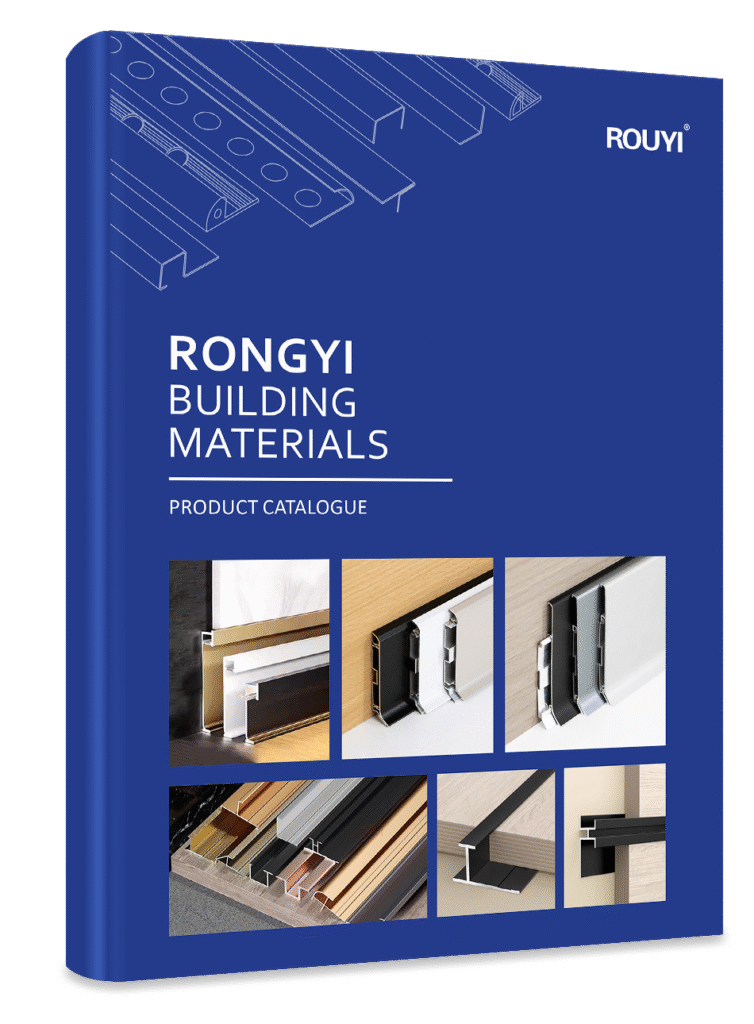
At RONGYI, we manufacture skirting solutions based on this engineering logic. Our specialized aluminum and PVC profiles are designed for:
Reliability that minimizes on-site issues and future maintenance.
Precision with consistent profiles and comprehensive finishing options.
Supply Chain Confidence through robust production capacity and proven quality control.
Stock or specify skirting boards that deliver tangible project value. Contact our team for technical specifications, project-grade samples, and competitive bulk pricing for the trade.